All Categories
Featured

Consumer Advice for Selecting 2026 Medicare Insurance
Table of Contents
HHS plans to broaden access to devastating health coverage through its new difficulty exemption guidance, the department revealed today.
HHS' new difficulty exemption assistance will make it simpler for people to gain access to disastrous coverage if they are ineligible for advance payments of the superior tax credit (APTC) or cost-sharing reductions (CSRs), based upon their yearly household income. Usually, customers who are freshly disqualified for APTC or CSRs due to their predicted annual earnings being below 100% or above 400% of the federal hardship level are qualified for a difficulty exemption and can enroll in disastrous protection.
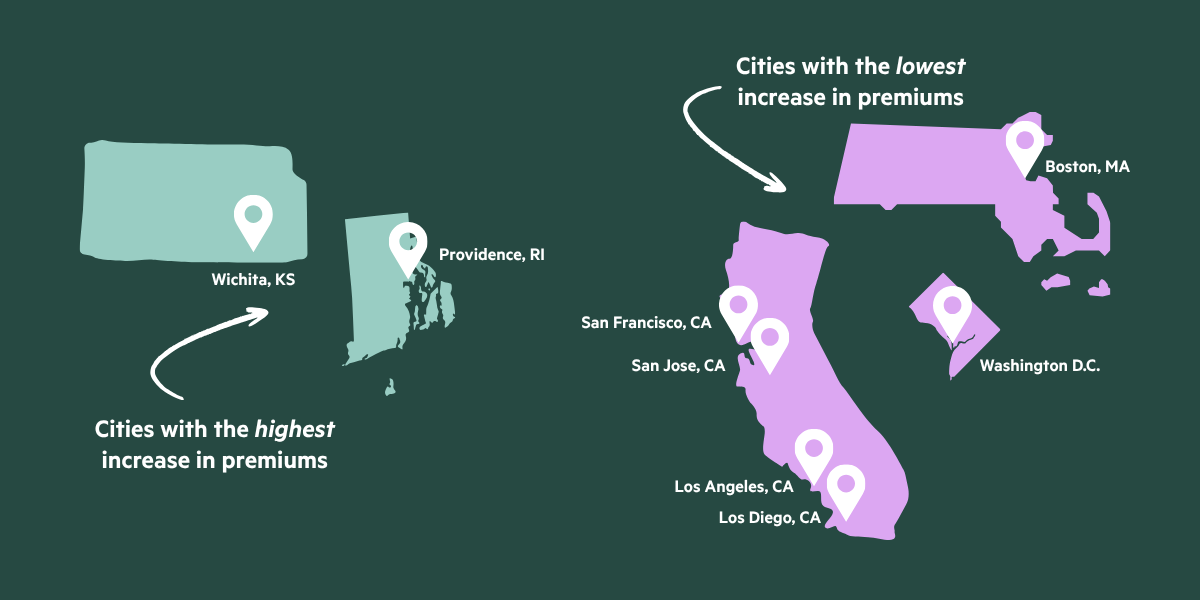
The changes were driven by forecasted boosts in health insurance coverage premiums for the 2026 strategy year throughout the specific market, CMS said in an accompanying truth sheet. Rate increases might result in obstacles with acquiring coverage under a Qualified Health Plan, particularly for those whose earnings makes them disqualified to receive APTC or CSRs.
Insurance in Huntington Beach CAGetting Individual Health Insurance Quotes Online
"Catastrophic protection provides budget friendly medical insurance for more youthful Americans and those facing hardship to have security when they need it most," HHS Secretary Robert F. Kennedy, Jr. said in the statement. "Expanding access to devastating protection is another action in making health insurance more economical, building on the progress made considering that the passage of President Trump's One Huge Beautiful Costs.".
NAIFA has long promoted for access to cost effective disastrous health strategy options. Under the new policy, customers who are not eligible for advance payments of superior tax credits or cost-sharing decreases on the Health Insurance Marketplace are qualified for difficulty exemptions permitting them to buy disastrous plans starting November 1.
They likewise cover preventative services required under the Affordable Care Act and up to 3 pre-deductible sees with primary care doctors. The exemption will use to customers buying plans either on or off the Exchange. Starting November 1, 2025, customers can look for the challenge exemption in two ways: Use online for Marketplace coverage on or through a licensed partner.
Send a challenge exemption type by mail. HHS is also streamlining the procedure by improving the review of paper applications to decrease the administrative problem on customers. This change will make it much easier for individuals experiencing difficulty and seeking a catastrophic plan to access the full series of disastrous coverage alternatives offered to them.
Building Family Financial Security Through Life Insurance
Pennsylvania household health insurance coverage for 2026 operates on two parallel tracks that frequently use concurrently to families with kids. The Pennie market covers grownups and family with federal exceptional tax credits and Silver cost-sharing decreases. Pennsylvania CHIP covers kids under 19 in households making up to 319 percent of the federal poverty line approximately $102,521 for a household of 4 through a separate, typically more extensive and less costly program.
Insurance in Huntington Beach CAUnderstanding both tracks is the crucial to finding the least expensive overall household coverage cost in 2026. Mixed-race household of four at a Bethlehem kitchen area table evaluating 2026 Pennsylvania family medical insurance and CHIP alternatives Pennsylvania CHIP covers children under 19 in families making approximately 319 percent of the federal poverty line around $102,521 for a family of four in 2026.
CHIP Tier Earnings Range (Household of 4) Monthly Premium Copays Medical Assistance (children)Under $54,395 (under 215% FPL)$0None Free CHIP$ 54,395$66,120 (215%258% FPL)$0Minimal ($5$10) Low-priced CHIP$ 66,120$89,750 (258%350% FPL)$30$75/child/mo$10$20 per go to Full-Cost CHIP$ 89,750$102,521 (350%319%?
Securing Cheap 2026 Family Health Insurance
Pennsylvania CHIP is administered through seven managed care carriers, each covering specific counties. Provider availability determines which CHIP strategy a family chooses not all CHIP providers run statewide. At enrollment, the Pennie or COMPASS system presents the CHIP carriers available at the home's address. Families then choose their favored CHIP provider for each eligible kid, and the carrier handles all plan benefits, permissions, and client service for that child.
An Independence Blue Cross Pennie plan for parents coupled with Self-reliance Blue Cross CHIP for children creates a constant company network and reduces coordination complexity. When possible at the exact same premium level, matching CHIP and Pennie carriers within a family streamlines provider selection for kids's experts who accept both programs.

Latest Posts
Finding Cheap Family Health Insurance Quotes

Why Indexed Universal Life Works for Investors
Consumer Advice for Selecting 2026 Medicare Insurance